
Blog
We are committed to providing customers with high-quality and low-price steel products as its goal, and strives to create value for customers as its own responsibility.
The Spring Festival in 2026 falls on February 17th (the first day of the Lunar New Year), marking the beginning of the Year of the Horse. This year's Spring Festival not only carries on a thousand-year-old cultural tradition, but is also made even more significant by the successful inscription of "Spring Festival – the Chinese people's social practice of celebrating the traditional New Year" on UNESCO's Representative List of the Intangible Cultural Heritage of Humanity.
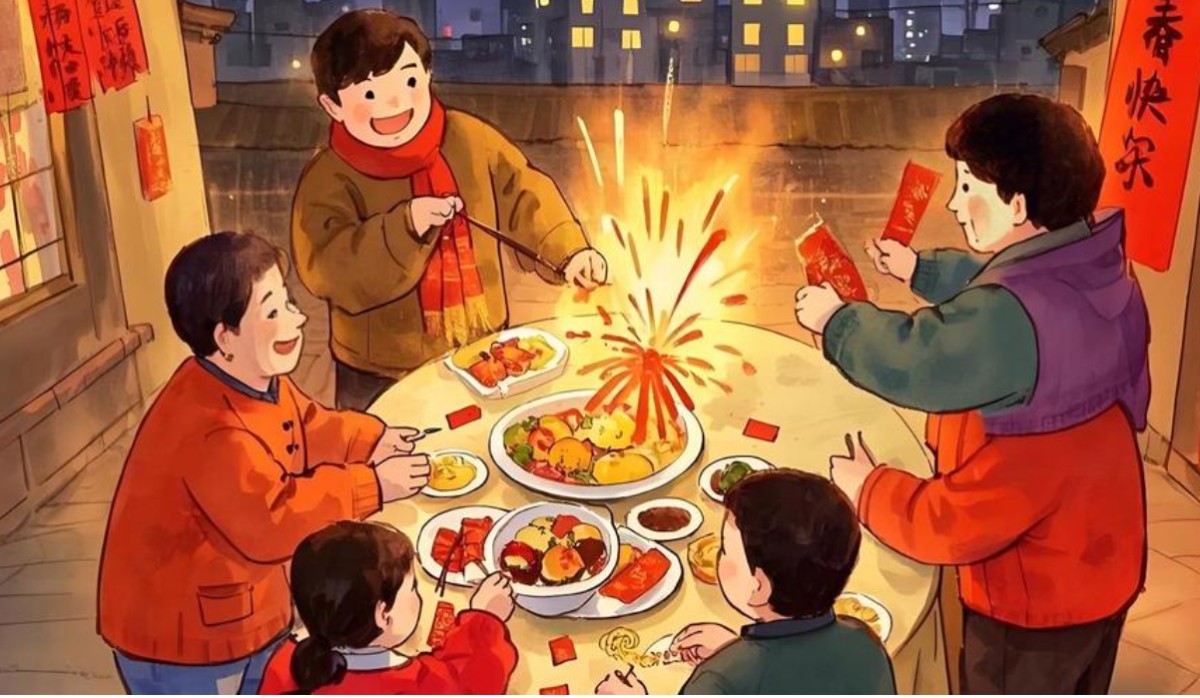
Key customs and highlights of the 2026 Spring Festival:
Pasting Spring Festival couplets, hanging lanterns, and displaying the character "福" (fortune): Every household is newly decorated, with red couplets illuminating doors and lanterns hanging high, expressing the good wishes of bidding farewell to the old year and welcoming the new, warding off evil and bringing good fortune.
Dragon and lion dances and folk parades: Lively performances fill the streets and alleys, such as the Changshan war drums and Jingxing flower dances in Zhengding Ancient City, and the Meshrep dance in Urumqi, blending the characteristics of multiple ethnic groups and showcasing a festive atmosphere of cultural integration.
New Year's Eve dinner and family reunion: On New Year's Eve, families gather around to share a sumptuous dinner. The dishes symbolize good fortune, such as fish symbolizing "abundance year after year," and dumplings symbolizing "bringing in wealth and treasures." Staying up late on New Year's Eve expresses wishes for the longevity of elders.
New Year's greetings and lucky money: Starting from the first day of the Lunar New Year, people visit relatives and friends, exchanging auspicious greetings. Elders give lucky money to younger generations, symbolizing warding off evil spirits and wishing for peace and well-being.
Temple Fairs and Intangible Cultural Heritage Experiences: The Beijing Dadu Temple Fair integrates AR technology with Hanfu (traditional Han clothing) parades, while the Fenghuangling Temple Fair focuses on the "Year of the Horse" theme, featuring interactive intangible cultural heritage NPCs and blessing activities, allowing young people to experience the charm of traditional culture through trendy activities.
Environmental Protection and Innovation in Balance: Electronic firecrackers are gradually replacing traditional firecrackers, preserving the festive atmosphere while responding to green concepts; HarmonyOS phones' "tap-to-share" feature for sharing New Year's goods and dynamic red envelope covers, among other technological elements, make New Year's greetings more fun.

How to spend the Spring Festival?
Preparations before the New Year (December 23rd to New Year's Eve)
Offering sacrifices to the Kitchen God and sweeping away dust: On the 23rd or 24th day of the twelfth lunar month, people offer sacrifices to the Kitchen God, symbolizing sending him to heaven to "speak good words." Afterwards, they "sweep the house" to remove the bad luck of the old year and welcome good fortune in the new year.
Pasting New Year's Red: Before New Year's Eve, people paste Spring Festival couplets, the character "福" (fortune), and window decorations on red paper with black characters or gold decorations, symbolizing good fortune and auspiciousness. There is a folk custom that "福倒了" (fortune has fallen over) sounds like "福到了" (fortune has arrived).
Preparing for the New Year's Eve dinner: The whole family works together to make dumplings (shaped like ingots, symbolizing wealth and prosperity), prepare a whole chicken ("family reunion"), fish ("abundance year after year") and other auspicious dishes, and share the moment of reunion.
Festival customs (from the first to the eighth day of the first lunar month)
New Year's Day (Lunar New Year's Day): Rise early to welcome the new year, wear new clothes, and speak auspicious words; visit relatives and friends, elders give out lucky money, and pray for peace and good fortune.
Second Day (Lunar New Year's Day): Married daughters return to their parents' home with gifts to express filial piety; it is considered impolite to arrive empty-handed or in the afternoon.
Fifth Day (Lunar New Year's Day): Send off the God of Poverty and welcome the God of Wealth; many businesses choose this day to open, symbolizing "wealth coming from all directions."
Seventh Day (Lunar New Year's Day): Legend has it that this is the day Nuwa created humankind; it is auspicious to pray for blessings and good fortune, and families celebrate this "birthday."
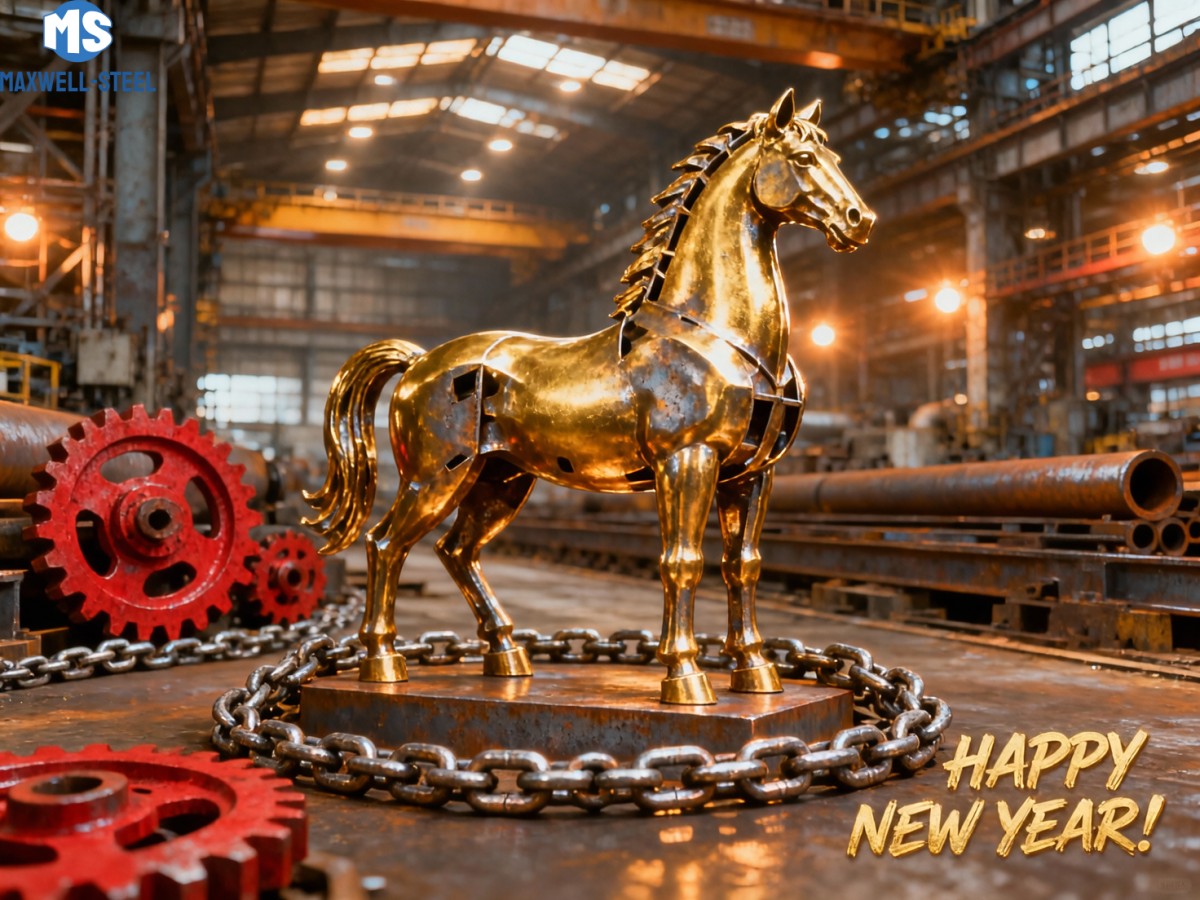
Maxwell Steel (Jiangsu) Co., Ltd wishes everyone a Happy New Year and a prosperous Year of the Horse!


GET A QUOTE