
Blog
We are committed to providing customers with high-quality and low-price steel products as its goal, and strives to create value for customers as its own responsibility.
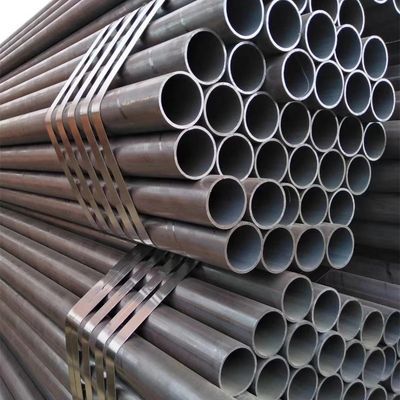
steel pipe specification example ASTM A106 Grade B SCH40
A small misunderstanding in a pipe specification can lead to ordering the wrong material, project delays, increased costs, or even safety risks in industrial systems.
Whether you are working on oil and gas pipelines, chemical plants, structural projects, or general industrial installations, understanding every part of a steel pipe specification ensures that the material you purchase matches the exact technical requirements.
What Is a Steel Pipe Specification?
A steel pipe specification is a technical description that defines:
- Manufacturing standard
- Material grade
- Dimensions and wall thickness
- Heat treatment condition
- Testing and inspection requirements
Each part of the specification has a specific meaning and must be interpreted correctly.
1. Understanding the Standard Name (ASTM / API / EN)
The first part of any pipe specification is usually the standard.
Common examples include:
- ASTM A106
- API 5L
- ASTM A53
- ASTM A312 (stainless steel)
The standard tells you:
- Chemical composition limits
- Mechanical property requirements
- Manufacturing method
- Testing procedures
- Dimensional tolerances
For example, ASTM A106 is for high-temperature seamless carbon steel pipe, while API 5L is for pipeline transportation systems in oil and gas.
2. Material Grade – What It Really Means
After the standard, you will see the grade.
Examples:
- Grade A / B / C (ASTM A106)
- X42 / X52 / X65 (API 5L)
- TP304 / TP316 (stainless steel)
The grade defines:
- Strength level
- Corrosion resistance
- Chemical composition
- Suitable application environment
For instance, TP316 stainless steel has better corrosion resistance than TP304 due to the presence of molybdenum.
3. Size, OD, WT and Schedule
A pipe specification always includes size information:
- Outer Diameter (OD)
- Wall Thickness (WT)
- Schedule number (Sch 40, Sch 80, etc.)
What Is Schedule?
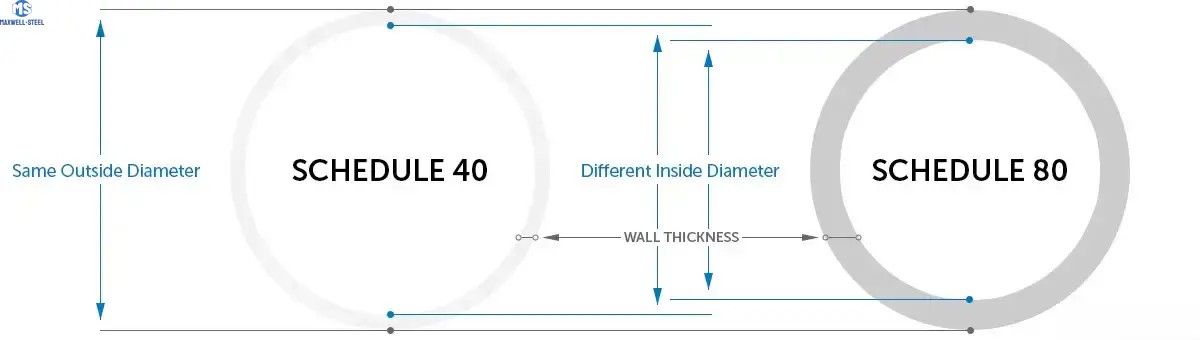
Schedule is not weight. It is a number that represents wall thickness based on pipe diameter. A higher schedule means a thicker wall and higher pressure resistance.
For example:
Misunderstanding schedule is one of the most common mistakes in procurement.
4. Heat Treatment Condition
Some specifications include heat treatment requirements such as:
- Annealed
- Normalized
- Solution treated
This affects:
- Mechanical properties
- Grain structure
- Corrosion resistance (especially stainless steel)
Ignoring this part may result in receiving material that does not meet performance expectations.
5. Testing and Inspection Requirements
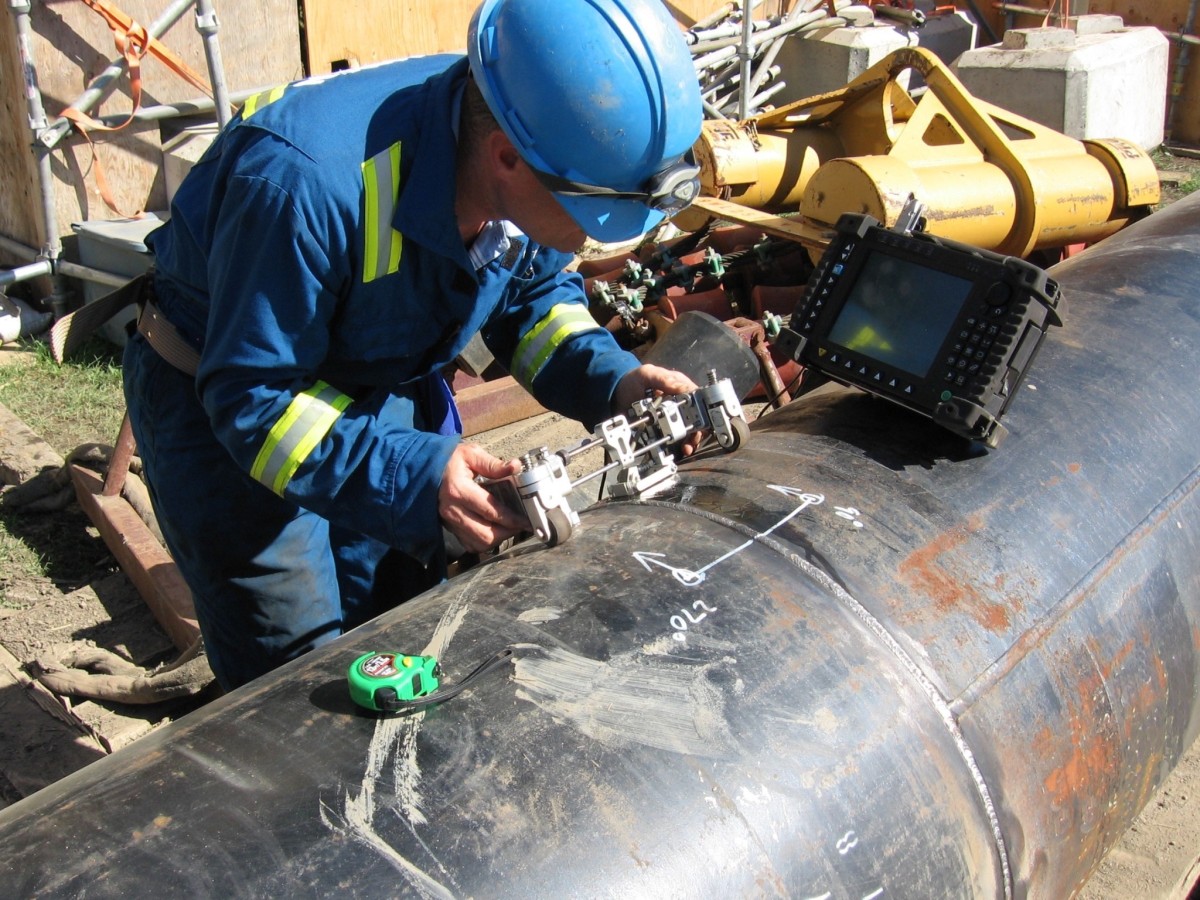
steel pipe ultrasonic testing UT inspection for quality control
A complete pipe specification may require testing such as:
- Hydrostatic test
- Ultrasonic test (UT)
- Radiographic test (RT)
- PMI (Positive Material Identification)
- MTC (Mill Test Certificate)
These tests ensure quality and compliance with project requirements.
6. Practical Example Explained
Consider this specification:
ASTM A106 Grade B, 6” Sch 40, NACE, UT tested
This means:
- ASTM A106 standard
- Grade B material strength
- 6-inch outer diameter
- Schedule 40 wall thickness
- Suitable for sour service (NACE)
- Ultrasonic testing required
Each word carries important technical meaning.
7. Common Mistakes Buyers and Engineers Make
- Confusing schedule with pipe weight
- Ignoring testing requirements
- Assuming all stainless steels have the same corrosion resistance
- Not checking heat treatment condition
- Misreading grade differences between standards
These mistakes often cause project rework and financial loss.
8. Why Understanding Pipe Specifications Matters in Procurement
Correctly reading a steel pipe specification helps you:
- Order the correct material the first time
- Avoid disputes with suppliers
- Ensure project compliance
- Reduce inspection failures
- Save cost and time
This is especially important when sourcing steel pipes internationally.
9. Quick Checklist Before Ordering Steel Pipes
Before placing an order, confirm:
- Standard
- Grade
- Size and schedule
- Heat treatment
- Testing requirements
- Certification (MTC, NACE if required)
Conclusion
A steel pipe specification is not just a line of text. It is a complete technical instruction that defines the exact material needed for your project. Learning how to read it properly can prevent costly mistakes and ensure your project runs smoothly.
If you are unsure how to interpret a pipe specification, always consult with a professional steel supplier or engineer before ordering.


GET A QUOTE