
Blog
We are committed to providing customers with high-quality and low-price steel products as its goal, and strives to create value for customers as its own responsibility.
Steel pipes play a critical role in the oil and gas industry. From upstream drilling to midstream transportation and downstream refining, pipelines and piping systems rely on high-quality steel pipes to ensure safety, durability, and efficiency.
Because oil and gas environments often involve high pressure, high temperature, corrosive fluids, and long-distance transportation, selecting the correct steel pipe specification is essential for project success.
This guide explains the types of steel pipes used in oil and gas, the key standards, and where each type is applied.
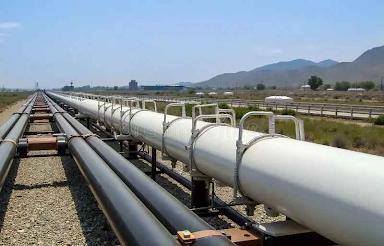
steel pipes used in oil and gas transmission pipeline
Types of Steel Pipes Used in Oil and Gas
Seamless Steel Pipe
Seamless pipes are widely used in high-pressure and high-temperature environments because they have no welded seam, making them stronger and more reliable under stress.
Common uses:
- Drilling operations
- High-pressure transmission lines
- Boiler and heat exchanger systems
Welded Steel Pipe (ERW / LSAW / SSAW)
Welded pipes are commonly used for long-distance pipeline transportation due to cost efficiency and large diameter capability.
Common uses:
- Crude oil pipelines
- Natural gas transmission
Water injection lines
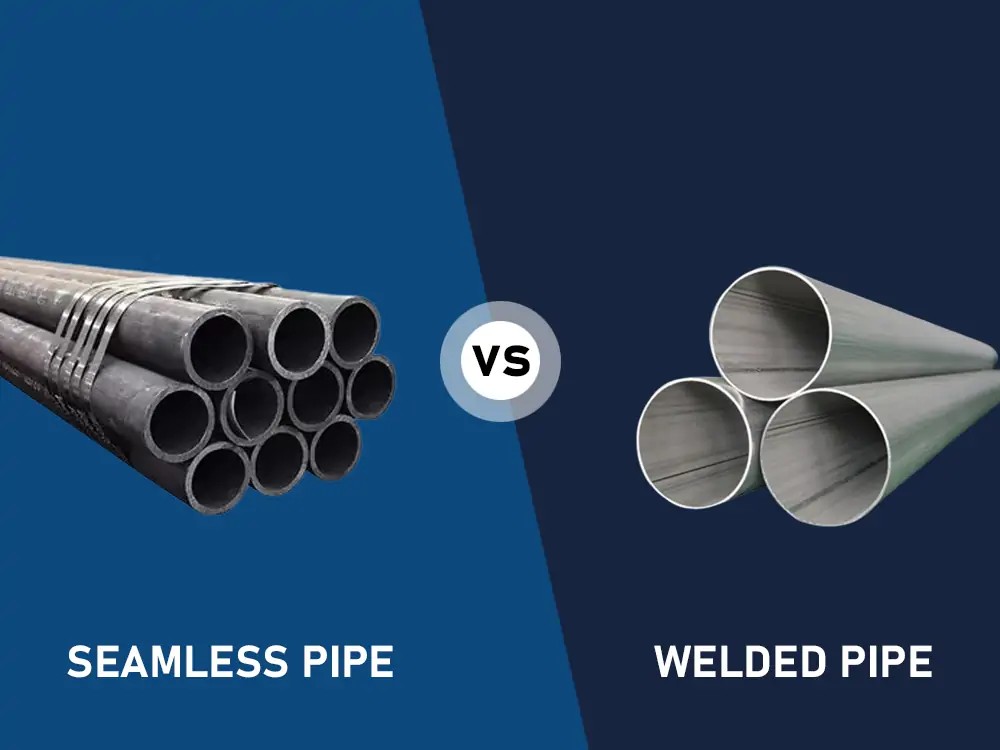
seamless pipe and welded pipe comparison for oil and gas
Key Standards in Oil and Gas Steel Pipes
API 5L
This is the most important standard for pipeline transportation systems in oil and gas. It defines grades such as X42, X52, X65, and X70 for different strength requirements.
ASTM A106
Used for high-temperature service in refineries and processing plants.
ASTM A53
Often used for low-pressure and structural applications.
ASTM A312
Used when corrosion resistance is critical, especially in offshore and chemical environments.
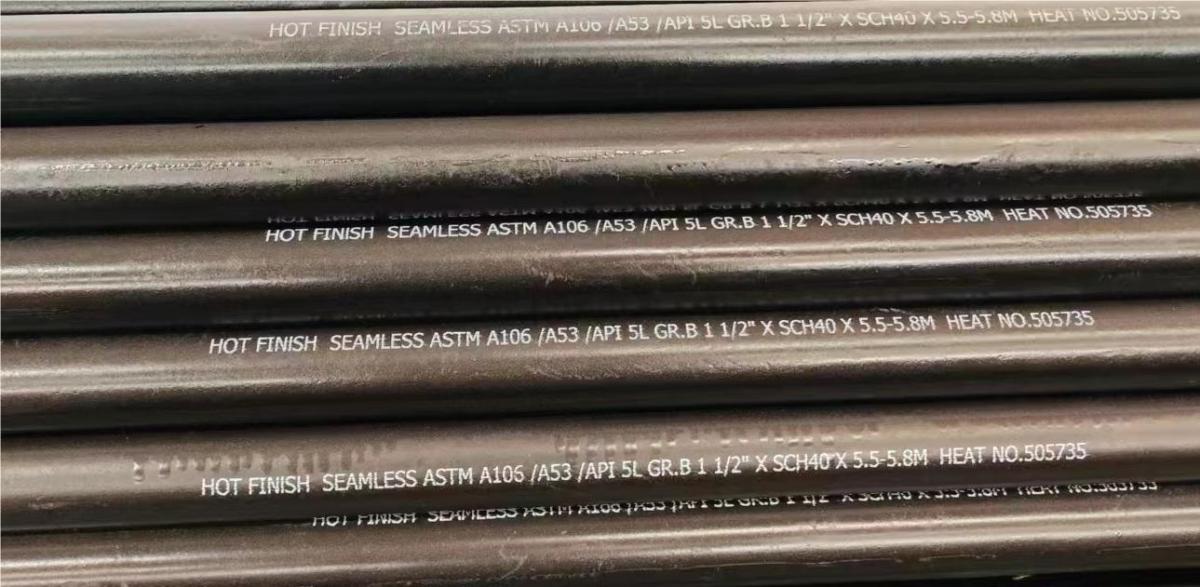
API 5L and ASTM A106 steel pipe specification marking
Applications Across Oil and Gas Sectors
Upstream (Drilling and Exploration)
- Drill pipes
- Casing and tubing
- High-pressure lines
Seamless carbon steel pipes are typically preferred here.
Midstream (Transportation Pipelines)
- Long-distance oil pipelines
- Natural gas transmission
Large diameter welded pipes manufactured to API 5L are commonly used.
Downstream (Refining and Processing)
- Heat exchangers
- Process piping
- Corrosive fluid handling
Both carbon steel and stainless steel pipes are used depending on the medium.
Important Factors in Pipe Selection
When selecting steel pipes for oil and gas, engineers consider:
- Pressure rating (Schedule)
- Corrosion resistance
- Temperature resistance
- Welding performance
- Testing requirements (UT, RT, Hydrotest)
- Certification (MTC, NACE)
Why Testing and Inspection Are Critical
Oil and gas projects require strict inspection procedures:
- Ultrasonic Testing (UT)
- Radiographic Testing (RT)
- Hydrostatic Testing
- PMI (Positive Material Identification)
These ensure pipeline integrity and prevent leaks or failures.
Common Mistakes in Oil and Gas Pipe Procurement
- Choosing pipe grade based only on price
- Ignoring corrosion environment
- Misunderstanding schedule vs pressure rating
- Not specifying testing requirements
Conclusion
Steel pipes are the backbone of the oil and gas industry. Understanding the correct pipe types, standards, and applications ensures safe operation, long service life, and project success.
Selecting the right steel pipe is not just about size and grade — it requires understanding standards, environment, and testing requirements.


GET A QUOTE