
Blog
We are committed to providing customers with high-quality and low-price steel products as its goal, and strives to create value for customers as its own responsibility.
Importing steel pipes from China is a common practice for construction companies, oil & gas contractors, distributors, and engineering buyers worldwide. However, the process involves multiple steps such as supplier selection, quality inspection, documentation, and international shipping.
1. Choose a Reliable Steel Pipe Supplier
The first and most important step is selecting a trustworthy supplier.
A qualified supplier should provide:
- Factory production capability (not only trading)
- Stable stock for fast delivery
- International export experience
- Full quality documentation
Key standards you may request:
- ASTM A106 (high temperature service)
- ASTM A312 (stainless steel applications)
ASTM A333 (low temperature service)
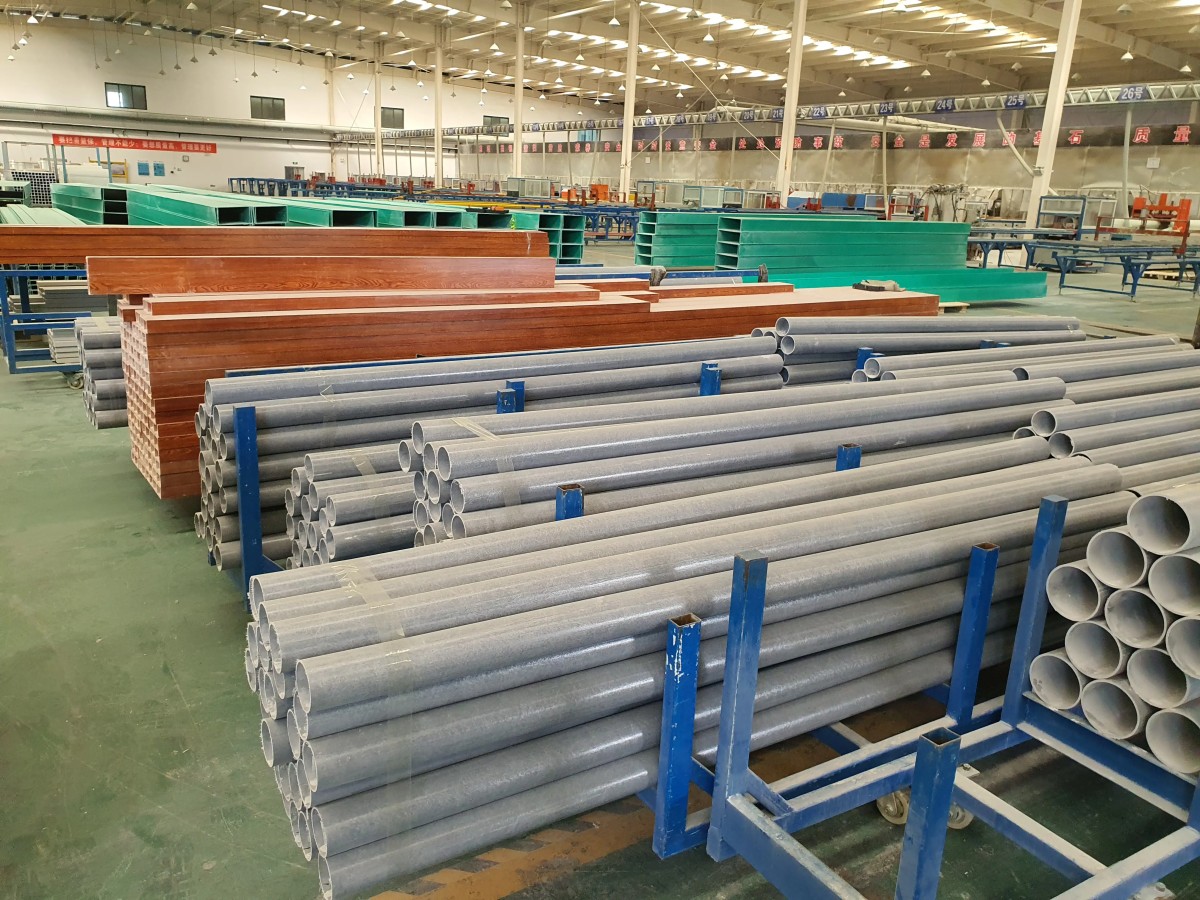
2. Confirm Product Specification Before Quotation
Before placing an order, make sure all specifications are clearly defined:
- Outer diameter (OD)
- Wall thickness (WT)
- Length (6m / 12m / random)
- Material grade
- Standard (ASTM / API / EN)
Incorrect specification confirmation is one of the most common causes of import disputes.
3. Understand Pricing Structure
Steel pipe prices are usually based on:
- Raw material cost (steel billet or coil)
- Manufacturing method (seamless or welded)
- Size and thickness
- Surface treatment (black, galvanized, pickled, polished)
- Quantity (MOQ)
Always compare FOB price vs CIF price carefully.
4. Quality Inspection Before Shipment
Before shipping, professional suppliers should provide inspection support such as:
- Mill Test Certificate (MTC)
- Chemical composition report
- Dimensional inspection
- Surface condition check
- PMI testing if required
This ensures compliance with international standards and project safety requirements.
5. Packaging and Loading Process
Proper packaging is critical for long-distance shipping.
Standard export packaging includes:
- Steel pipe bundles with steel strips
- Plastic caps for pipe ends
- Waterproof wrapping
- Wooden cases for small diameter pipes
- Clear shipping marks for identification
Poor packaging can lead to damage during ocean transport.
6. Shipping Methods and Lead Time
Common shipping options:
- FCL (Full Container Load) – best for bulk orders
- LCL (Less than Container Load) – for small quantities
- Break bulk shipment – for oversized pipes
Typical lead time:
- Stock goods: 7–15 days
- Production order: 20–45 days
- Shipping time: 15–35 days depending on destination
7. Required Export Documents
To clear customs smoothly, you usually need:
- Commercial Invoice
- Packing List
- Bill of Lading (B/L)
- Mill Test Certificate (MTC)
- Certificate of Origin (CO)
8. Final Checklist Before Import
Before confirming order, ensure:
- Specification confirmed correctly
- Standard clearly defined
- MTC available
- Delivery time agreed
- Packaging method confirmed
- Shipping term (FOB/CIF) understood
Importing steel pipes from China can be highly cost-effective if the process is properly managed. The key is to choose the right supplier, confirm specifications clearly, and ensure full documentation and inspection before shipment.
With the right approach, you can reduce procurement risks and ensure stable long-term supply for your projects.


GET A QUOTE