
In steel procurement decisions, the cost difference between alloy steel plates and ordinary steel plates often causes hesitation among buyers. As a professional steel manufacturer, Maxwell Steel will analyze the performance-to-price ratio of both materials to help you choose the most economical solution based on your project budget.
I. Definition and Core Differences
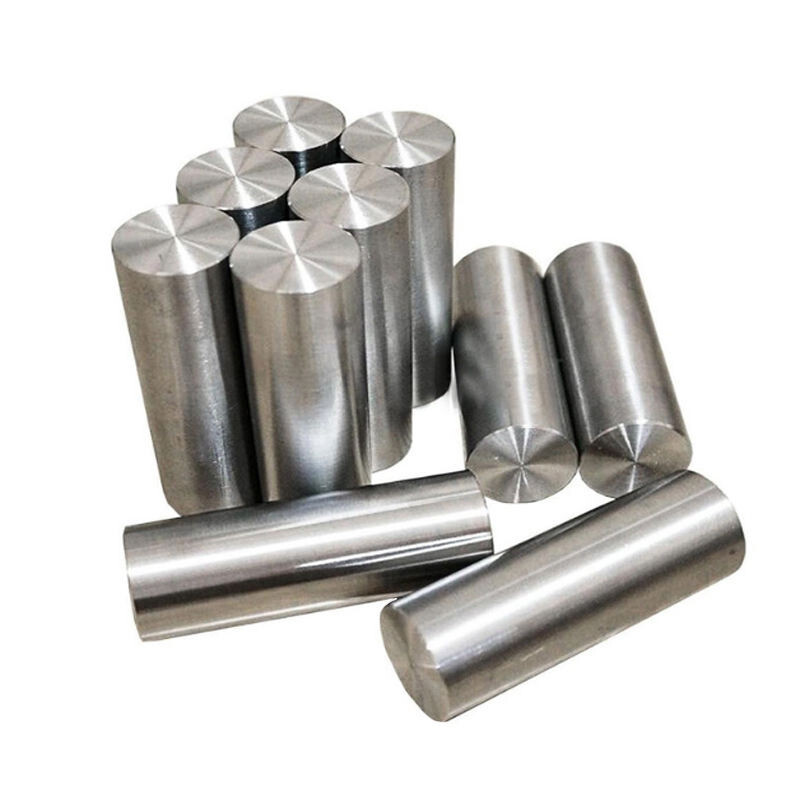
Alloy steel plate is a special type of steel made by adding elements such as chromium, nickel, and molybdenum to carbon steel. Its mechanical properties, corrosion resistance, and high-temperature stability are significantly superior to those of ordinary steel plates. According to the ASTM A387 standard, alloy steel plates can be divided into low-alloy steel (total alloy element content <5%) and high-alloy steel (total alloy element content >5%). Ordinary steel plates mainly refer to carbon structural steels such as Q235 and SS400, which have lower production costs but limited overall performance.
II. Cost Comparison Analysis
By comparing data from the East China steel market in 2023, we have compiled the key cost differences:
III. Selection and Decision-Making Guidelines
When your project exhibits the following characteristics, it is recommended to prioritize the use of alloy steel plates:
- The working environment contains corrosive substances (chemical industry, marine engineering).
- Subjected to dynamic loads or impact vibrations (mining machinery, pressure vessels)
- Requires long-term service and is difficult to maintain (bridge structures, oil pipelines)
Ordinary steel plates are more suitable for applications with limited budgets, short-term use, or non-load-bearing scenarios, such as temporary construction fences and ordinary warehouse shelving.
IV. Industry Application Cases
A certain offshore wind power project originally planned to use ordinary steel plates for the tower connection components. After evaluation by Maxwell Steel engineers, the design was changed to use ASTM A514 alloy steel plates. Although the material cost increased by 35%, it avoided an annual corrosion loss of 12%, resulting in a 22% reduction in the project's total life-cycle cost. This demonstrates the economic advantages of alloy steel plates in specific applications.
V. Common Procurement Pitfalls
Many buyers have the following cognitive biases:
- Misconception 1: Comparing only the unit price while ignoring the lifespan.
- Misconception 2: Using ordinary steel plates in high-temperature environments.
- Misconception 3: Failure to consider the cost differences of subsequent processing steps such as welding.
Why choose Maxwell Steel?
As a professional steel supplier certified to ISO 9001 standards, we offer:
- Over 30 grades of alloy steel plates in stock, covering ASTM/EN/JIS standards.
- We provide free material selection and cost optimization solutions.
- We support customized cutting and pre-processing services.
Contact our technical consultants today to get a customized steel solution for your project.

